Do I Really Need My Wisdom Teeth Removed? 🦷🤔
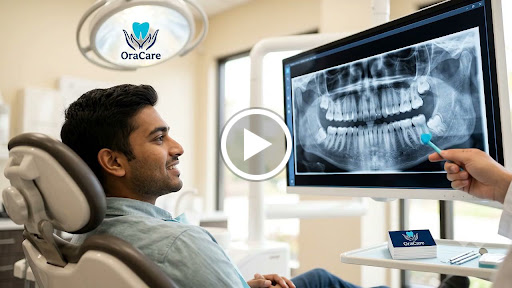
Wisdom teeth—our third set of molars—typically make their appearance between the ages of 17 and 25. While some people lucky enough to have perfectly aligned jaws can keep them without any issues, for many of us, they can cause a quiet chain reaction of dental problems. How do you know if your wisdom teeth are trying to tell you something? Signs your wisdom teeth might need attention: • Chronic Pain or Pressure: A dull, constant ache at the very back of your jaw or sudden tenderness in your gums is often the first indicator of movement. • Difficulty Opening Your Mouth: Inflammation around an emerging tooth can cause stiffness in your jaw muscles. • Sinus Pain or Congestion: Pressure from upper wisdom teeth as their roots grow can press against your sinuses, leading to headaches or congestion. • Crowding & Shifting: If there isn’t enough room in your jaw, emerging wisdom teeth can push against your other teeth, causing them to overlap or shift out of alignment. Why proactive evaluation is key: When wisdom teeth only partially emerge, they create a small flap of gum tissue that is nearly impossible to clean. This flap easily traps food debris and bacteria, leading to a localized infection called pericoronitis, as well as deep decay on the healthy neighboring molars. If you are experiencing jaw pressure or back-tooth pain, a quick digital X-ray is the best way to see exactly what is happening beneath the surface.